Starting an indoor herb garden is a fun and rewarding way to bring fresh flavors to your kitchen while adding a touch of greenery to your living space. Whether you have a sunny windowsill or a small corner available, growing herbs indoors is easier than you might think. This guide will walk you through the essentials to help you get started on your own small herb garden at home.
Why Grow Herbs Indoors?
Having an herb garden inside offers many benefits. Fresh herbs like basil, parsley, and mint are always at your fingertips for cooking, teas, or garnishes. Indoor gardening also improves air quality and provides a calming hobby. Best of all, many herbs require minimal care and can thrive even in limited spaces.
Choosing the Right Herbs for Your Indoor Garden
Some herbs are better suited for indoor growing than others. Here are a few easy-to-grow options that typically do well inside:
– Basil: A popular herb for cooking, prefers lots of sunlight.
– Parsley: Tolerates some shade and is very versatile.
– Mint: Grows quickly but can spread aggressively, so use a separate container.
– Chives: Great for small spaces and regular harvesting.
– Thyme: Drought-tolerant and thrives in bright, indirect light.
– Cilantro: Prefers cooler temperatures and moderate sunlight.
Start with a few herbs to avoid overwhelming yourself and expand your garden as you gain confidence.
Selecting Containers and Soil
Choosing Containers
You can use traditional pots, recycled containers, or specially designed herb garden kits. Make sure your containers have drainage holes to prevent waterlogging, which can damage roots.
Soil Matters
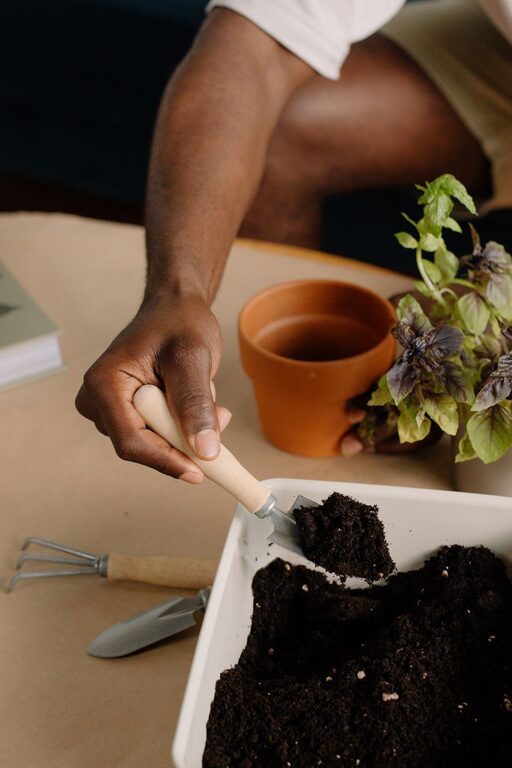
Use a high-quality potting mix designed for indoor plants rather than garden soil. Potting mix offers better drainage and aeration. Some gardeners add a bit of perlite or vermiculite to improve soil texture.
Finding the Right Spot in Your Home
Herbs need light to grow well. Most varieties require 6-8 hours of sunlight daily, so a south or west-facing windowsill is ideal. If natural light is limited, consider using a grow light to supplement.
Keep your herb garden away from drafts, heating vents, or air conditioners, as sudden temperature changes can stress the plants.
Planting Your Indoor Herb Garden
Starting from Seeds vs. Seedlings
– Seeds: More economical and fun to watch grow but require patience and careful care.
– Seedlings: Young plants purchased from nurseries grow faster and are easier for beginners.
If starting with seeds, follow the packet instructions for planting depth and spacing. Keep the soil moist but not soaked.
Planting Tips
– Fill containers with soil, leaving about an inch of space at the top.
– Gently place seeds or seedlings in the soil.
– Water lightly to settle the soil.
– Label your herbs to keep track.
Caring for Your Indoor Herbs
Watering
Herbs prefer consistent moisture but not soggy soil. Check the soil daily, and water when the top inch feels dry. Use room temperature water to avoid shocking roots.
Light
Rotate your containers every few days to ensure even exposure to sunlight. If using artificial light, place it about 6-12 inches above plants and run it for 12-16 hours daily.
Fertilizing
Feed your herbs with a diluted, balanced liquid fertilizer every 4-6 weeks. Over-fertilizing can reduce the flavor quality of herbs, so moderation is key.
Pruning and Harvesting
Regular trimming encourages bushier growth. Harvest leaves as needed by snipping them above a set of leaves to promote further growth. Avoid removing more than one-third of the plant at once.
Troubleshooting Common Issues
– Yellow Leaves: Can indicate overwatering or lack of nutrients.
– Leggy Growth: Often caused by insufficient light.
– Pests: Indoor herbs rarely suffer pest infestations, but watch for aphids or spider mites. Wipe leaves with a damp cloth or use insecticidal soap if needed.
Tips for Success
– Start small and expand your herb garden gradually.
– Keep a journal of watering schedules and growth progress.
– Experiment with culinary uses to enjoy your fresh harvest.
– Use small trays under pots to catch excess water and protect surfaces.
Final Thoughts
Creating a small herb garden indoors is a manageable and enjoyable project for anyone interested in gardening or fresh home cooking. With a bit of sunlight, the right containers, and some care, you can have a thriving, fragrant herb collection all year long. Happy gardening!